
Small repairs, hourly rates
Book a handyman for small home repairs
Some jobs are too small for a contractor and too fiddly to enjoy doing yourself. A sticking door, a dripping faucet, a crack in the drywall. TaskNest Hub connects you with local handymen who take these jobs on an hourly basis, with the rate visible before you book.
What counts as a handyman jobThe repair list
What a handyman actually handles
Think of it as the repair list a landlord would rather ignore. Doors that rub the frame, cabinet hinges that have pulled loose, toilet flappers, faucet cartridges, shower caulk, cracked tile grout, and drywall holes the size of a fist. Add picture hanging, shelving, weather stripping, and screen replacement.
These are the jobs that need an hour and the right tool, not a crew. A handyman moves through several in one visit if you point them out, and a home repair services booking usually covers five or six of them before the clock gets away from you.
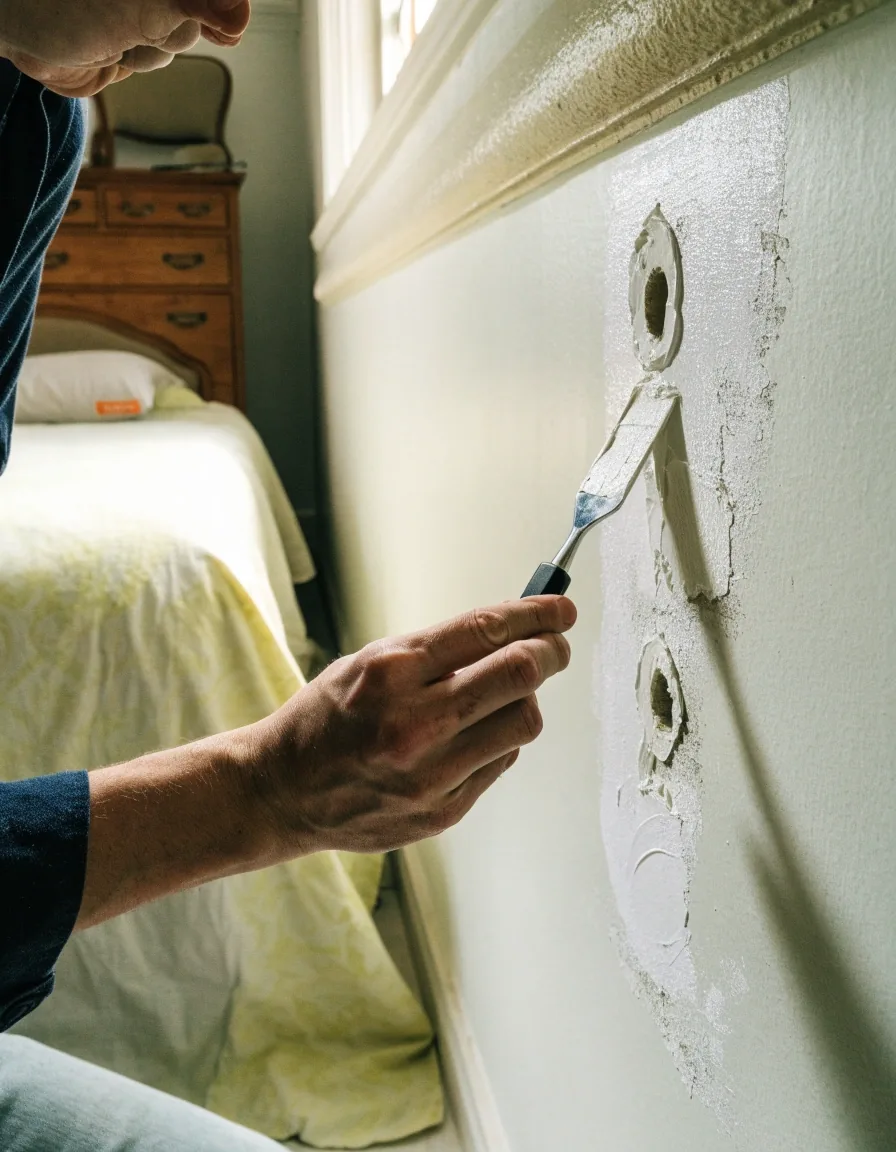
Holes, cracks, and patching
Small holes from anchors or doorknobs are quick patches. Larger damage from a door slam takes more time, and texture matching is where it gets tricky. A handyman can fill, sand, and prime, and in many cases match the existing paint if you have some on hand.
Full wall repainting is usually a different booking. If you want a patch to disappear, say so when you post, because the effort level differs.
Doors, hinges, and trim
A door that rubs the frame, a closet door off its track, a hinge that squeaks or has pulled out of the jamb. These fixes usually need a plane, a screw pack, and twenty minutes each.
Fixtures and fittings
Swapping a kitchen faucet or a bathroom fixture is a classic handyman job, and it is mostly about access.
Caulk, grout, and weather
Shower caulk lines, cracked tile grout, weather stripping on a drafty door, and a torn window screen. Small, visible, and quick to reset.
Mounting and shelving
Picture rails, floating shelves, a towel bar, a TV bracket into studs. Finding the stud is half the job, and it is why these get batched with the rest of the list.
Scope boundary
Where the handyman line stops
Anything behind the wall or tied to a utility line is a licensed trade job. That includes new electrical circuits, panel work, gas appliances, and major plumbing reroutes. A handyman can swap a light fixture or a faucet, but not rewire a room.
If your job crosses that line, your Tasker will say so on site rather than take the risk. It protects your home and your insurance, and it is worth knowing before you post.
How vetting and safety workHandyman can do
- Swap a light fixture or ceiling fan
- Replace a faucet or a toilet flapper
- Patch drywall and touch up paint
- Re-caulk a tub or a shower line
- Mount shelves, brackets, and hardware
Licensed trade job
- New circuits or panel work
- Gas appliance connections
- Major plumbing reroutes
- Structural or foundation repair
- Anything behind the finished wall
Recurring leaks, water stains on a ceiling, a breaker that trips, a furnace that will not light. These point to systems rather than surfaces, and a handyman is the wrong call. The same goes for anything structural, like a sagging floor or a cracked foundation. In those cases you need a licensed electrician, plumber, or engineer. TaskNest Hub will not send a general Tasker to a job that belongs with a trade, and we will tell you why.
An hour with a handyman clears a list, not a project
Most handyman work on TaskNest Hub is billed hourly. The clock starts when the Tasker arrives, not when they pick up a screwdriver, so the list you write before the visit decides how much you get done. Batch the small fixes and the visit pays for itself twice over.
What the visit looks like
- Rate shown before bookingUpfront
- Platform fee listed separatelyItemized
- Parts on site or Tasker-sourcedYour call
- Photos and notes on your taskRecommended
Hourly rates and how the price forms
Most handyman work on TaskNest Hub is billed hourly, typically somewhere between $45 and $90 depending on your metro and the Tasker’s experience. Some jobs get quoted by the project instead, particularly a full day of small fixes. The booking flow shows both where a Tasker offers them. You will see the platform fee separately from the hourly rate.
-
Hourly booking
The standard way to book a handyman for a short list. You pay for the time you use, and you can add items while the Tasker is on site if the clock allows. Best for five or six small fixes in one visit.
$45–$90per hour, by metro
-
Project quote
Some Taskers price the whole job instead of the clock, which suits a full day of small fixes or a job where the scope is already clear from your photos. You see the number before you confirm.
Quotedbefore you book
-
Parts and materials
Replacement parts are usually separate from labor. Buy them yourself and have them unboxed, or ask the Tasker to pick them up and factor the trip into the booking. Either way, agree on it before the visit starts.
Separatefrom labor
Batch your list before the visit, because the clock starts when the Tasker arrives, not when they pick up a screwdriver. A two-hour booking usually clears five or six small items, and it is the difference between a tidy visit and a rushed one.
Before you post
How to describe a repair so it gets done right
Photos beat paragraphs
Snap the sticking door, the wall crack, and the faucet from a couple of angles. Note the material: drywall, plaster, tile, wood, or metal. Say whether you have the replacement part already, and if not, the model number if you can find it.
Mention anything unusual, like an old house with non-standard sizing. Clear details let your Tasker bring the right tools and avoid a return trip.
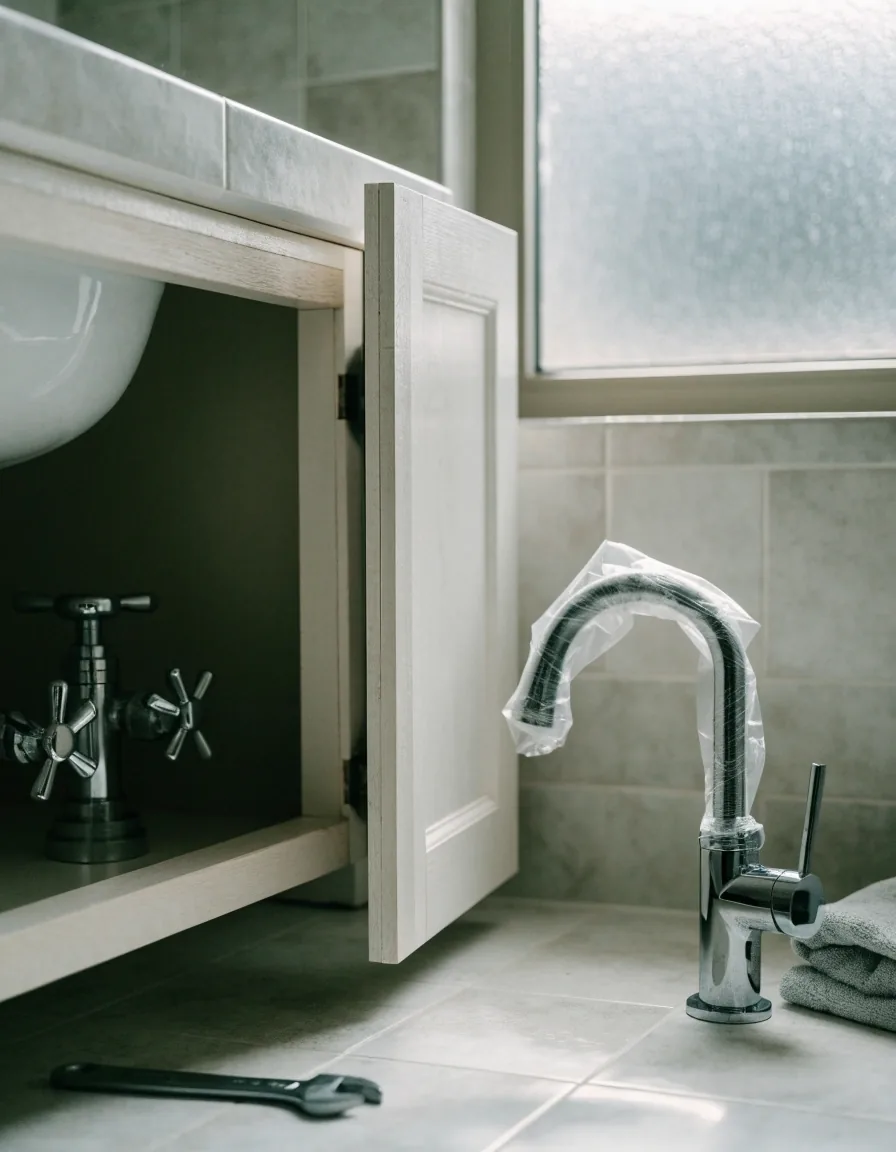
Details that save a visit
- Two or three angles of the same fault
- Rough size, like a fist-sized hole
- Material of the surface being repaired
- Whether the part is already on site
- Old-house quirks and non-standard sizing
Small repairs worth batching
One visit is cheaper than three. Keep a running list on your phone: the closet door, the loose towel bar, the outlet cover, the grout line, the hinge that squeaks. A two-hour booking usually clears five or six small items.
This is also the moment to handle the shelf you have been meaning to mount. Point your Tasker at the list when they arrive and let them sequence it.
See assembly and mountingFixtures, faucets, and fittings
Swapping a kitchen faucet or a bathroom fixture is a classic handyman job, and it is mostly about access. Under-sink space, shutoff valves, and old fittings determine how long it takes.
Have the new fixture unboxed and the water shut off before the Tasker arrives. If a valve is seized or a pipe is corroded, that is a plumbing call, and your Tasker will flag it rather than force it. This is where clear photos save a wasted visit.
The same logic applies to a light fixture, a shower head, or a toilet flapper. Nothing here needs a permit, but each one can turn into a longer job if the fitting behind it has not moved in twenty years.

What to have ready before the visit
Clear access to the work area. Pets secured if they are nervous around strangers. The replacement parts, the paint can, the hardware bag, and the manual if it exists. Turn off water or power to anything being worked on, and let your Tasker confirm before they start. If you rent, check whether your lease requires landlord approval for wall work. A few minutes of prep keeps the hourly clock on the actual repair.
Clear the work area
Move furniture, rugs, and anything fragile out of the path. A clear floor is a faster repair.
Secure nervous pets
A stranger with a drill is a lot for a skittish dog. A closed door keeps everyone calm.
Gather parts and paint
The replacement part, the matching paint can, the hardware bag, and the manual if you still have it.
Shut off water or power
Kill the supply to anything being worked on, and let your Tasker confirm before they start.
Check your lease
If you rent, wall work may need landlord approval. Sort that out before the visit, not during it.
Write the list down
Order the items by risk. The one most likely to run long goes first, while there is still time.
Choosing well
Reviews that help you pick
Read for the type of repair, not just the rating. Someone strong on assembly may be new to drywall. Look at recent reviews and check whether the comments mention your kind of job. Photos in reviews are useful when they exist. A Tasker’s reply to a critical review often tells you more about how they handle problems than the star average does.
When you compare Taskers, the useful signals are the same across the platform: what the reviewer asked for, whether the Tasker brought the right tools, and whether the price matched the quote. A task rabbit style marketplace lives on that detail, and it is worth two minutes before you book.
Match the job type
Search the review text for your repair. A drywall patch and a furniture assembly draw on different habits.
Weight recent work
Recent reviews reflect the tools and habits a Tasker has now, not three years and two vans ago.
Read the replies
How a Tasker answers a fair complaint says more about the visit you will get than the average score does.
Furniture and fixture assembly as repair
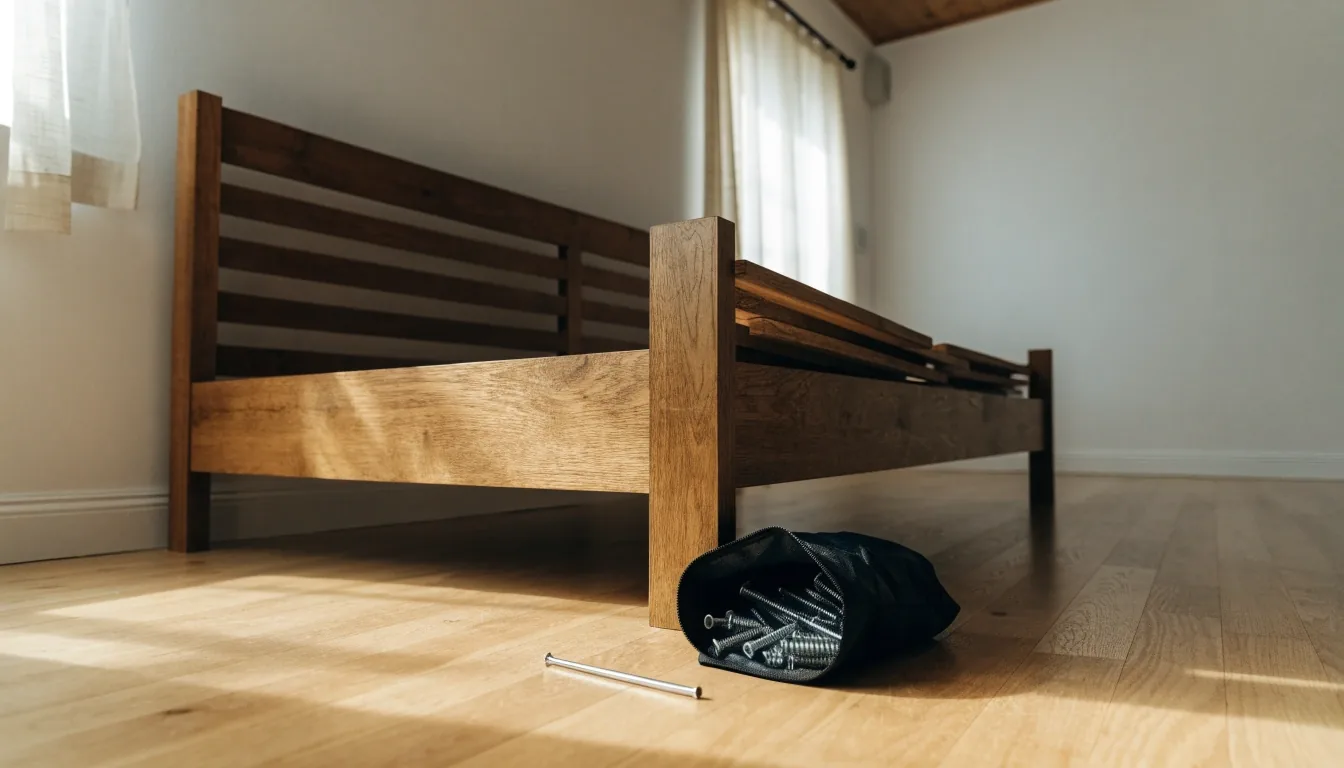
Sometimes the repair is assembly. A bed frame that has come apart, a desk that needs reinforcing, a cabinet door that will not close because the unit was built slightly off.
Taskers who handle repairs usually handle assembly too, and the two often get combined. If a piece was assembled wrong the first time, mention it, since disassembly adds time. Bringing the hardware bag helps.
When a repair needs a specialist instead
Recurring leaks, water stains on a ceiling, a breaker that trips, a furnace that will not light. These point to systems rather than surfaces, and a handyman is the wrong call. The same goes for anything structural, like a sagging floor or a cracked foundation. In those cases you need a licensed electrician, plumber, or engineer. TaskNest Hub will not send a general Tasker to a job that belongs with a trade, and we will tell you why.
Signals to stop and call a trade
- Water stains that return after a repair
- A breaker that trips again after resetting
- A gas smell, or a pilot that will not stay lit
- Floors that slope, walls that crack in a stair-step
What happens to your booking
If your Tasker finds the job crosses into licensed work, they will say so on site instead of taking the risk. You can use the remaining booked time on the rest of your list, then book the right trade separately.
That is not a wasted visit. It is the cheapest diagnostic you will get, and it keeps your home insurance intact.
Getting the most from an hourly booking
Have the list ready, the parts on site, and the area clear. Ask your Tasker to start with the item most likely to run long, since that is where surprises hide. If a job turns out to need a specialist, use the remaining time on the rest of your list.
This is how an hourly booking stays efficient, and it is the difference between a two-hour visit and a wasted one. Find a local handyman, send the photos with your task, and let the first hour go to the repairs that actually need a tool.
TaskNest Hub
120 Broadway, 17th Floor
New York, NY 10271, USA
+1-212-555-0432
[email protected]
Monday to Friday, 9:00 AM – 6:00 PM
Common questions
Before you book a repair
Short answers to the questions homeowners ask most often before posting a small repair. If your situation is not here, the full FAQ covers booking, cancellations, and what happens when a job changes scope on site.
Read all questionsHow much does a handyman cost per hour?
Most handyman work on TaskNest Hub is billed hourly, typically somewhere between $45 and $90 depending on your metro and the Tasker’s experience. Some Taskers quote by the project instead, particularly for a full day of small fixes. The booking flow shows the rate and the platform fee separately before you confirm.
Can a handyman fix a leaking faucet?
Usually yes. A dripping faucet, a worn cartridge, a toilet flapper, or a loose supply fitting are all standard handyman work. If the shutoff valve is seized or a pipe behind the wall is corroded, that is a plumbing call, and your Tasker will flag it rather than force a fitting that could open a bigger leak.
Will a drywall patch match my wall?
Small holes fill and sand cleanly. Larger damage needs more coats, and texture matching is the hard part. If you have the original paint on hand, a handyman can often blend the touch-up. Say up front whether the patch needs to disappear completely, because that changes how long the job takes.
What should I prepare before the visit?
Clear access to the work area, pets secured, replacement parts and matching paint on site, and water or power shut off to whatever is being worked on. A written list, ordered with the longest job first, keeps the hourly clock on the actual repair instead of on discovery.
What if the job turns out to be bigger than expected?
Your Tasker will tell you on site. If the job crosses into licensed electrical, plumbing, or structural work, it stops there and you use the remaining time on the rest of your list. If it is simply longer than expected, you can extend the booking where availability allows or reschedule the leftover items.
Ready to post your repair list?
Write the list, add a few photos, and set a time. You will see the hourly rate and the platform fee before you confirm, and you can check availability this week without committing to anything.